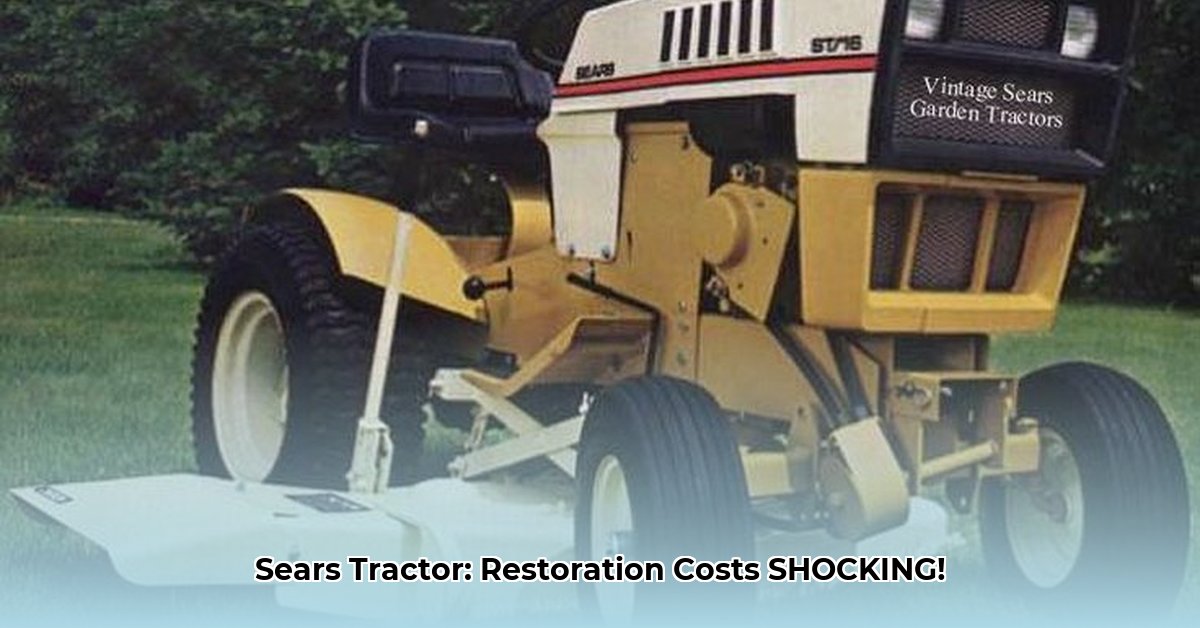
The allure of antique tractors is undeniable, and Sears tractors, with their rich history and Americana charm, are increasingly sought after by collectors. But navigating this market requires understanding the difference between buying a fully restored machine and undertaking a restoration project. This guide explores the nuances of buying and selling these vintage workhorses, offering insights for both seasoned collectors and newcomers. For other classic tractor options, consider checking out used John Deere tractors.
The Market for Old Sears Tractors: A Growing Trend
Demand for antique garden tractors is rising, with Sears models experiencing a significant surge in popularity. This is fueled by nostalgia, a love for classic machinery, and the rewarding challenge of restoration. This creates a dynamic market: pristine, fully restored tractors fetching premium prices, and project tractors offering a more affordable entry point for those who enjoy the hands-on experience.
Pricing and Value: More Than Just Metal and Paint
Pricing varies enormously. A meticulously restored Sears tractor can command thousands of dollars, while a project tractor needing significant work might cost a fraction of that. Several key factors determine price:
- Model: Certain models, due to rarity or unique features, are highly desirable. Think of it like classic cars—a rare model commands a higher price.
- Completeness: A tractor with all original parts and accessories will generally be worth more. Original manuals or service records greatly increase value.
- Condition: The tractor's overall condition, from engine health to paint and bodywork, directly impacts its value.
- Rarity: Rare Sears tractor models are highly sought after, significantly increasing their price.
Buying an Old Sears Tractor: A Buyer's Guide
Considering adding a classic Sears tractor to your collection? Follow these steps:
Research: Learn about different models, their strengths, weaknesses, common issues, and typical prices. Online forums and enthusiast websites are invaluable resources.
Inspection: A thorough inspection is paramount. Examine the engine, transmission, and other major components. Look for rust, wear, and any signs of prior repairs. Attention to detail is crucial.
Parts Availability: Determine parts availability for the model you're considering. Online communities, parts suppliers, and salvage yards are key resources. Could you realistically obtain parts if needed?
Negotiation: Research comparable sales to establish a fair market price. Don't hesitate to walk away if the price is too high.
Selling Your Old Sears Tractor: Maximizing Your Return
For sellers, proper pricing is crucial. Consider the tractor's condition, completeness, rarity, and unique features. Online marketplaces, classic tractor forums, and local auctions can help you reach a wider audience. High-quality photos and a detailed description are essential.
Navigating the Risks: The Challenges of Tractor Collecting
Antique tractor collecting presents challenges. Unexpected repairs can be costly, and sourcing parts can be difficult. However, the rewards are substantial: owning a piece of history, the satisfaction of restoration, and the camaraderie of an enthusiastic community. Are you prepared for the potential time and financial investment?
Sourcing Parts: A Strategic Approach
Finding parts for older Sears tractors requires a multi-pronged approach:
- Online Forums: Engage with online communities of enthusiasts for leads and advice.
- Specialized Suppliers: Many businesses specialize in parts for classic tractors.
- Salvage Yards: Salvage yards can be treasure troves of usable parts. Are you prepared to dedicate time to searching multiple yards?
Assessing the Risks: Detailed Breakdown
The potential risks in buying and restoring an old Sears tractor include:
- Parts Availability: Difficulty finding parts can significantly impact restoration. Mitigation involves thorough research and utilizing multiple sources.
- Unforeseen Repair Costs: Repairs can quickly escalate. Mitigation requires a comprehensive pre-purchase inspection and a realistic budget.
- Authenticity Verification: Ensuring the tractor's authenticity is crucial, particularly for high-value models. Detailed inspection and seeking expert advice can help.
- Market Fluctuations: Market values can change. Mitigation involves understanding market trends and setting realistic pricing.
Key Takeaways: A Final Word
The journey of restoring an old Sears tractor is rewarding but demands careful planning, research, and patience. Thorough pre-purchase inspection, diligent parts sourcing, and realistic budgeting are critical for success. The sense of accomplishment, however, makes the effort worthwhile.